DJI - Enterprise Drone Fly Mission control
OVERVIEW
Using drones in agriculture and architecture requires robust control systems and enterprise-grade applications capable of supporting high-precision operations at scale.
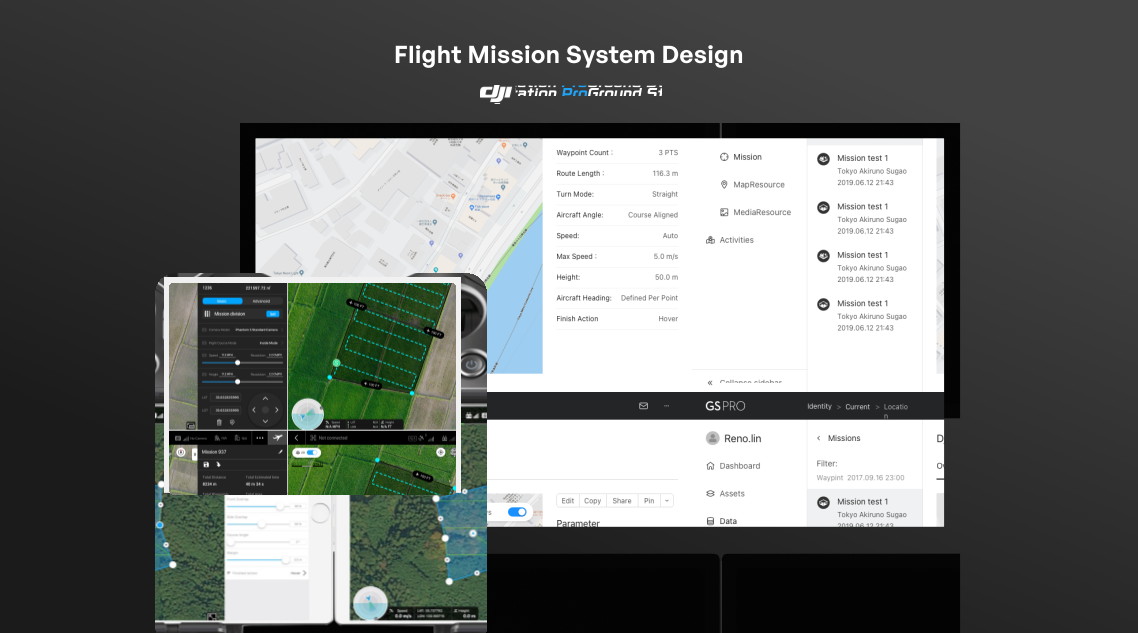
During my time as a solo product designer at DJI’s Tokyo office, I had the opportunity to redesign and introduce new features for GS Pro, DJI’s enterprise flight control application.
THE TEAM
Solo designer, 1 Product Owner, 3 Engineers. Remotely working with
product design team in China.
MY ROLE
Product planning & research,
New feature design & Design system
Product introduction - Ground Station Pro
Product introduction -
Ground Station Pro
Ground Station Pro is the flight application supports both PC and iPad. Collaborate across teams to plan complex flight routes, conduct automated flight missions and manage flight data on the cloud.

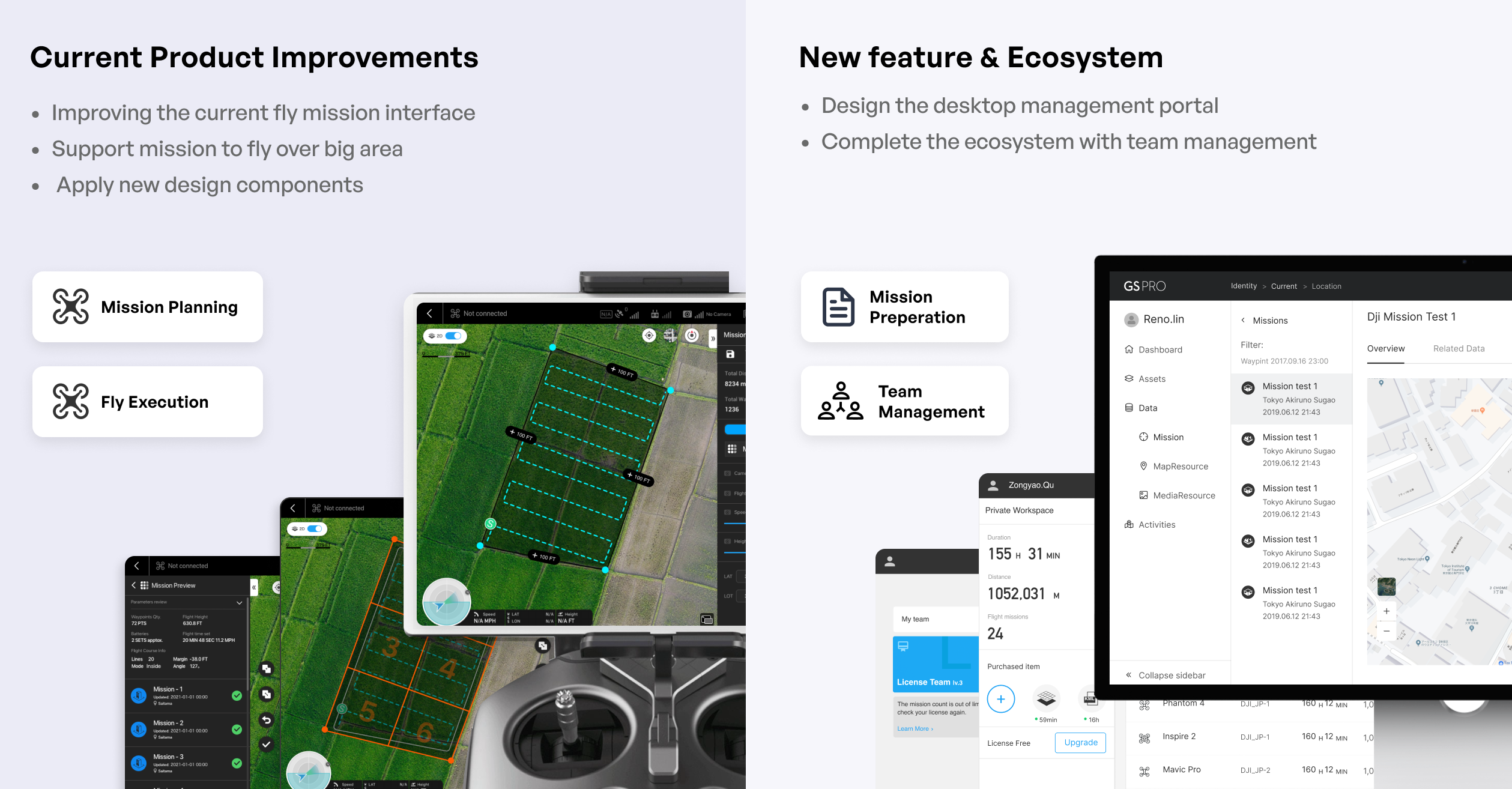
Archetypes
As the current product is supporting basic functionality, in order to prioritize & evolve features, the team feels the urge to research more about the main archetypes
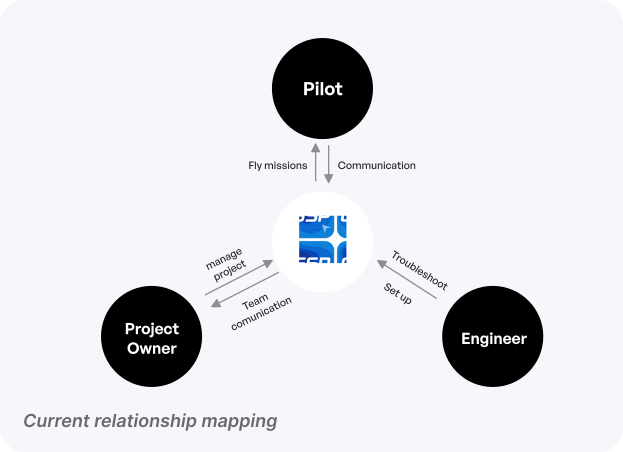
Research theme
- What are the workflow & collaborations between these roles
- Who and which archetypes to prioritize as main user?
To re-discover -
Archetypes & Ecosystem
To re-discover - Archetypes & Ecosystem
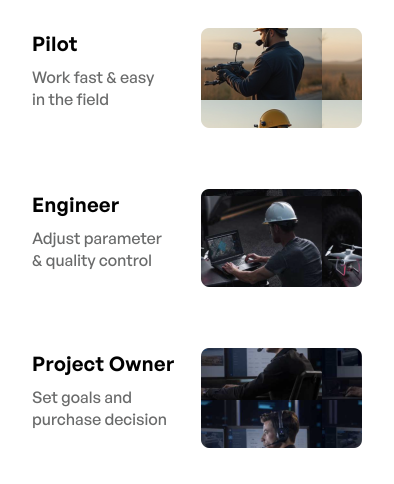
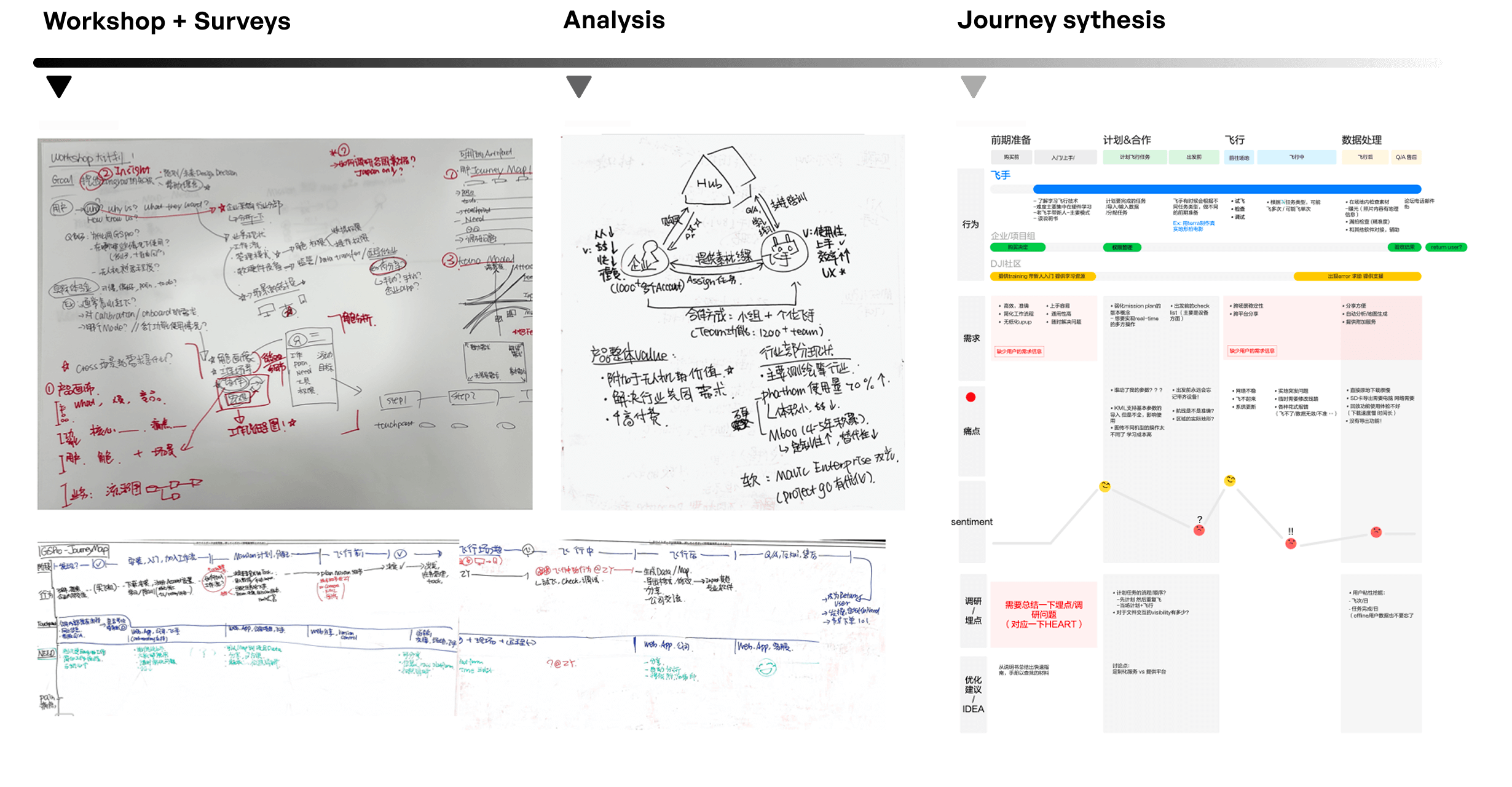
When I joined the team, the product had been built primarily from an engineering perspective. Due to a limited understanding of users, the feature hierarchy lacked clarity and prioritization. I focused on clarifying user archetypes and mapping user journeys within the GS Pro app to reframe the product around real user needs.To achieve this, I organized workshops and readout sessions with the broader team to surface existing assumptions, conduct user research, and align stakeholders around key insights and findings.
Current pain points facing -
At different stages
Current pain points facing - at different stages
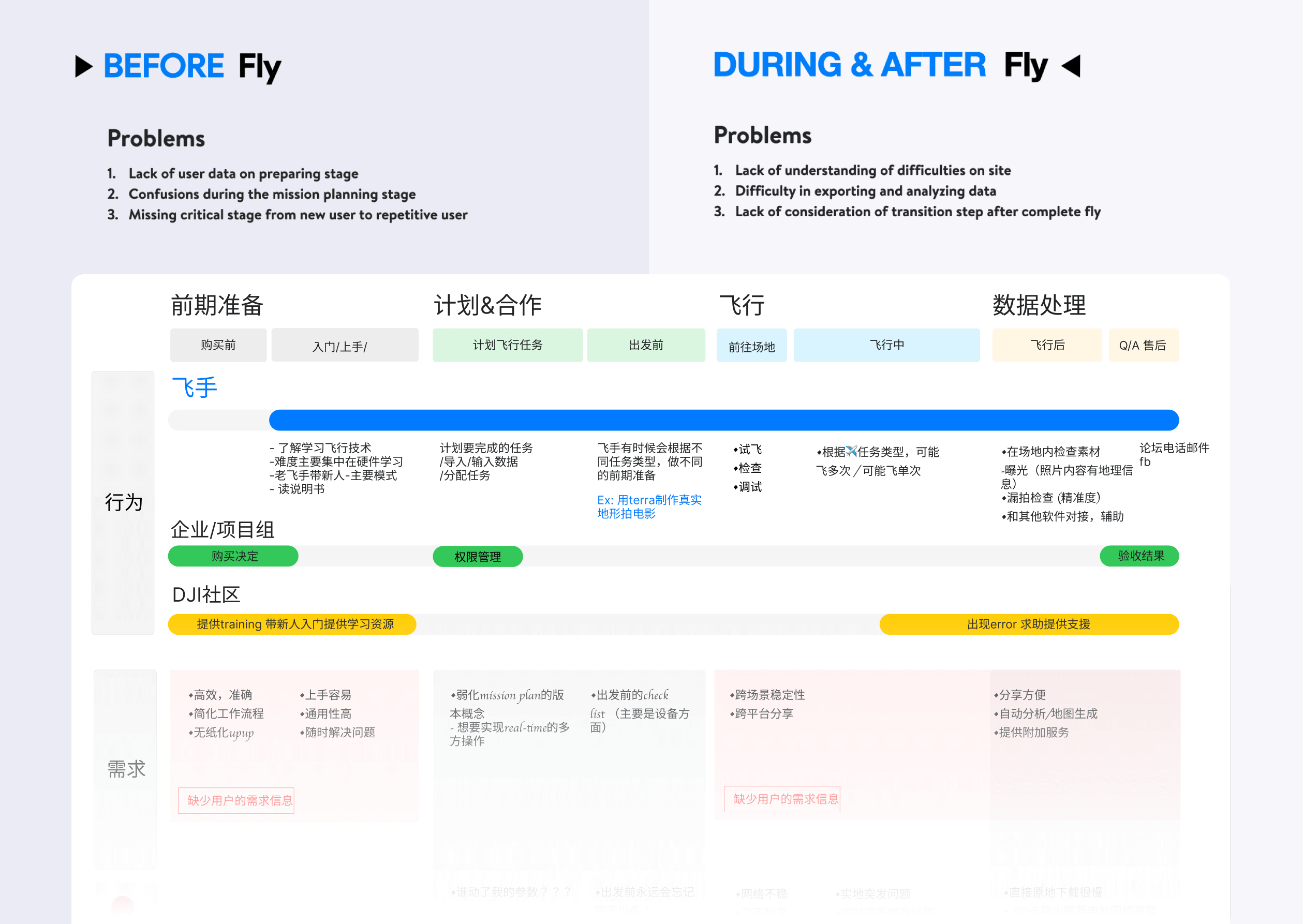
One key insight we uncovered was that user pain points and needs differ significantly before, during, and after a flight mission.Before a mission, users struggle primarily with the lack of information needed for thorough planning. In contrast, during and after a mission, the greatest challenges shift toward effective documentation and real-time analysis. This grouping has helped the team to prioritized the feature during the roadmap discussion.
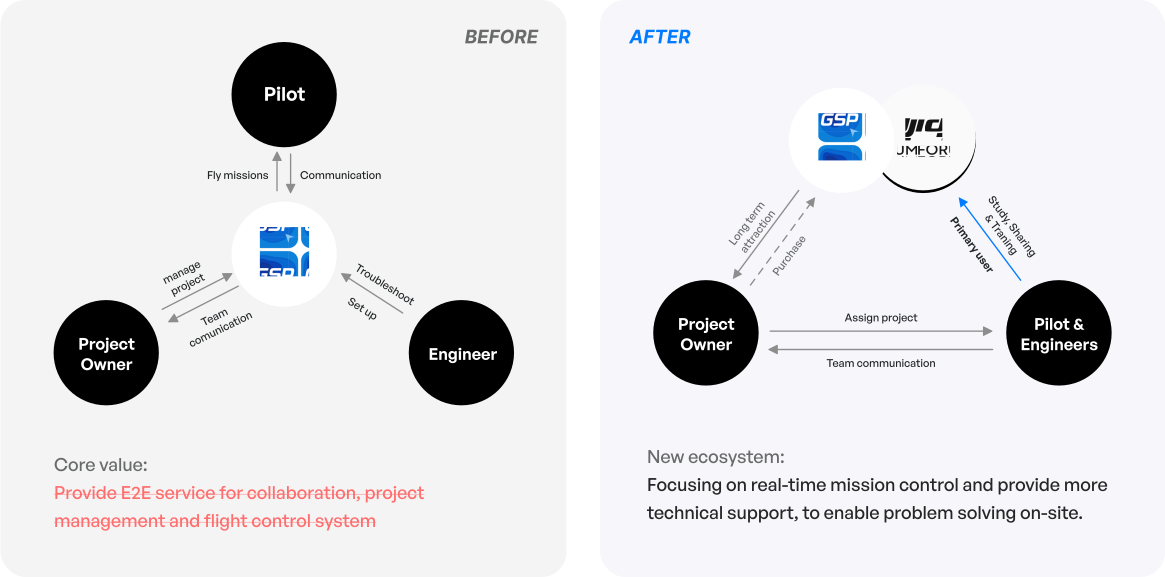
New redefinition of the Archetypes
As the current product is supporting basic functionality, in order to prioritize & evolve features, the team feels the urge to research more about the main archetypes
Feature Design
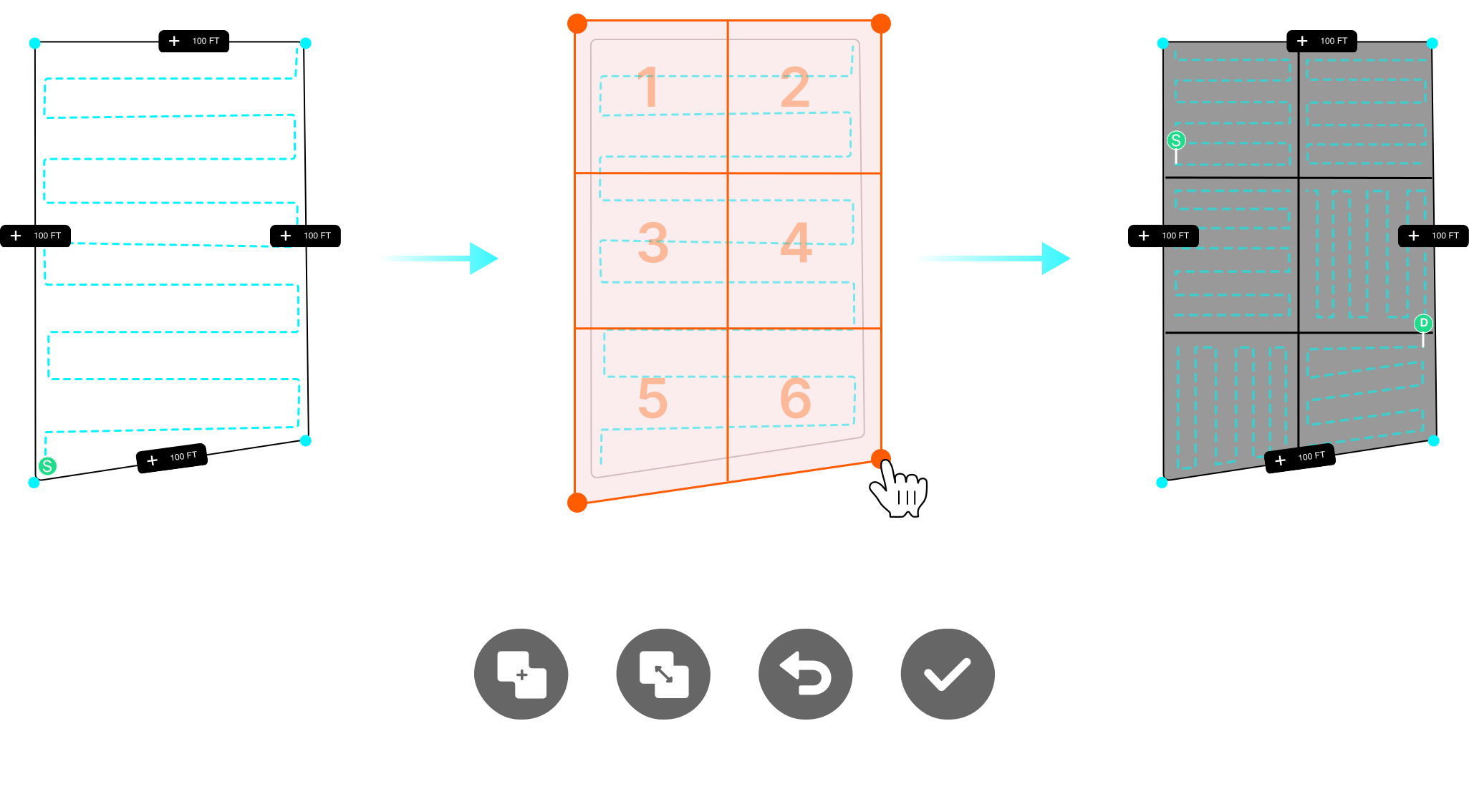
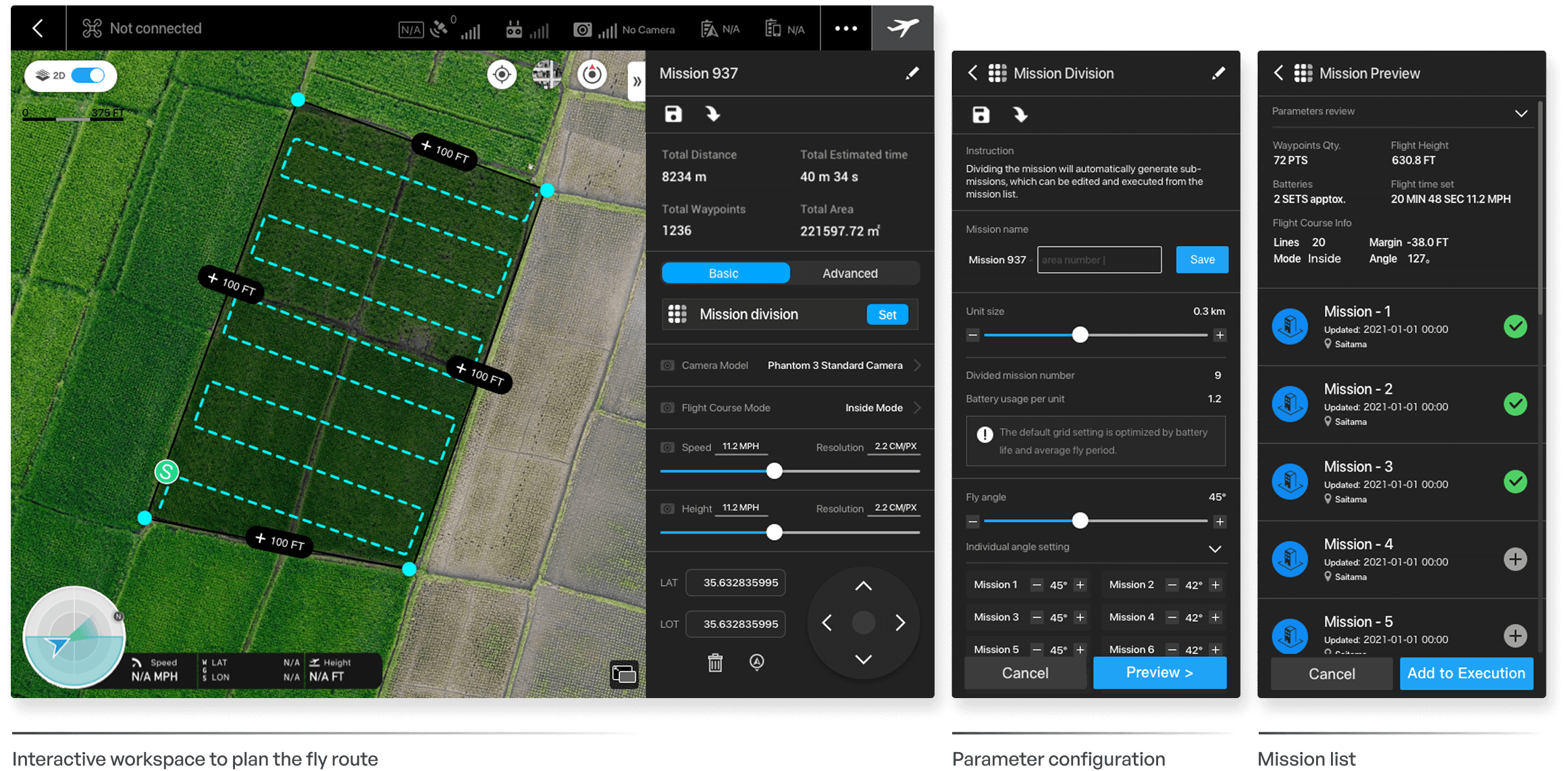
Large-Area Division with Phased Flight
Context & Pain point
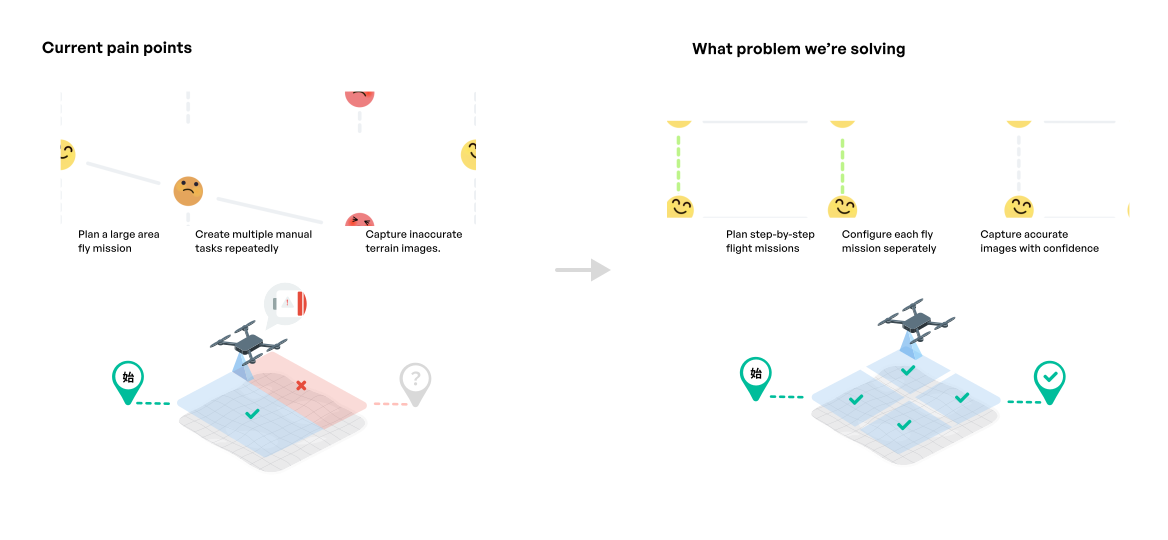
For long-duration, large-area missions, flight routes are segmented into multiple sub-tasks, allowing flight angles to be adjusted based on changing solar elevation angles. This feature improves image accuracy and, over time, enables collaborative mission execution by multiple team members.
User Flow

Challenge 1 : Balance between advanced user vs. others
Certain flight missions—such as measuring land or fields with irregular, fragmented shapes or covering very large areas—require a more advanced approach to mission planning. These scenarios demand greater flexibility, including freeform area selection, more granular parameter controls, and the ability to coordinate multiple drones to complete missions more efficiently.
During the design process, key decisions around entry points, navigation, and the introduction of new control modules were made with both advanced and non-advanced users in mind. This ensured the experience remained intuitive and accessible while still supporting complex, expert-level workflows.
Challenge 2 : Intuitive interaction to fit different shape
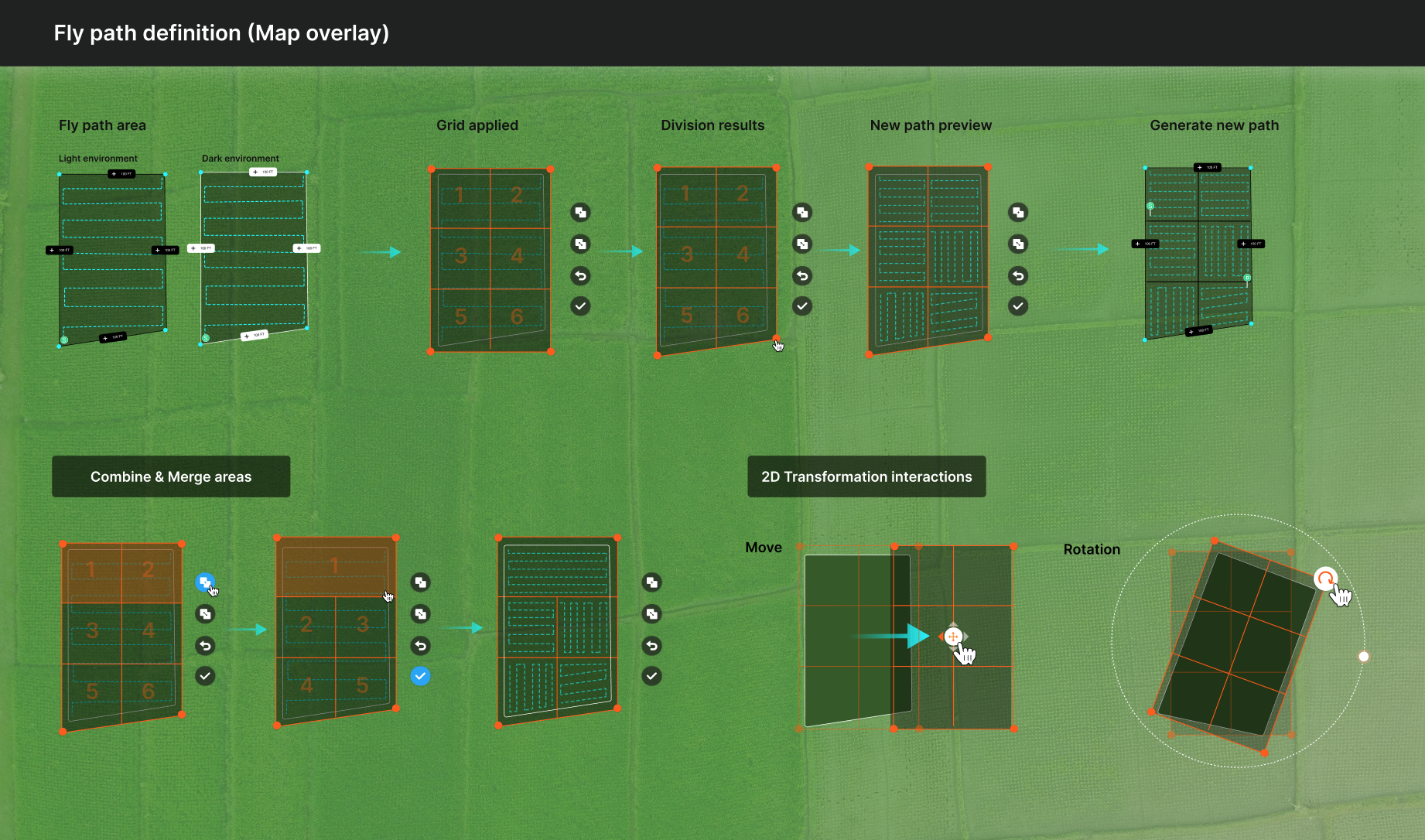
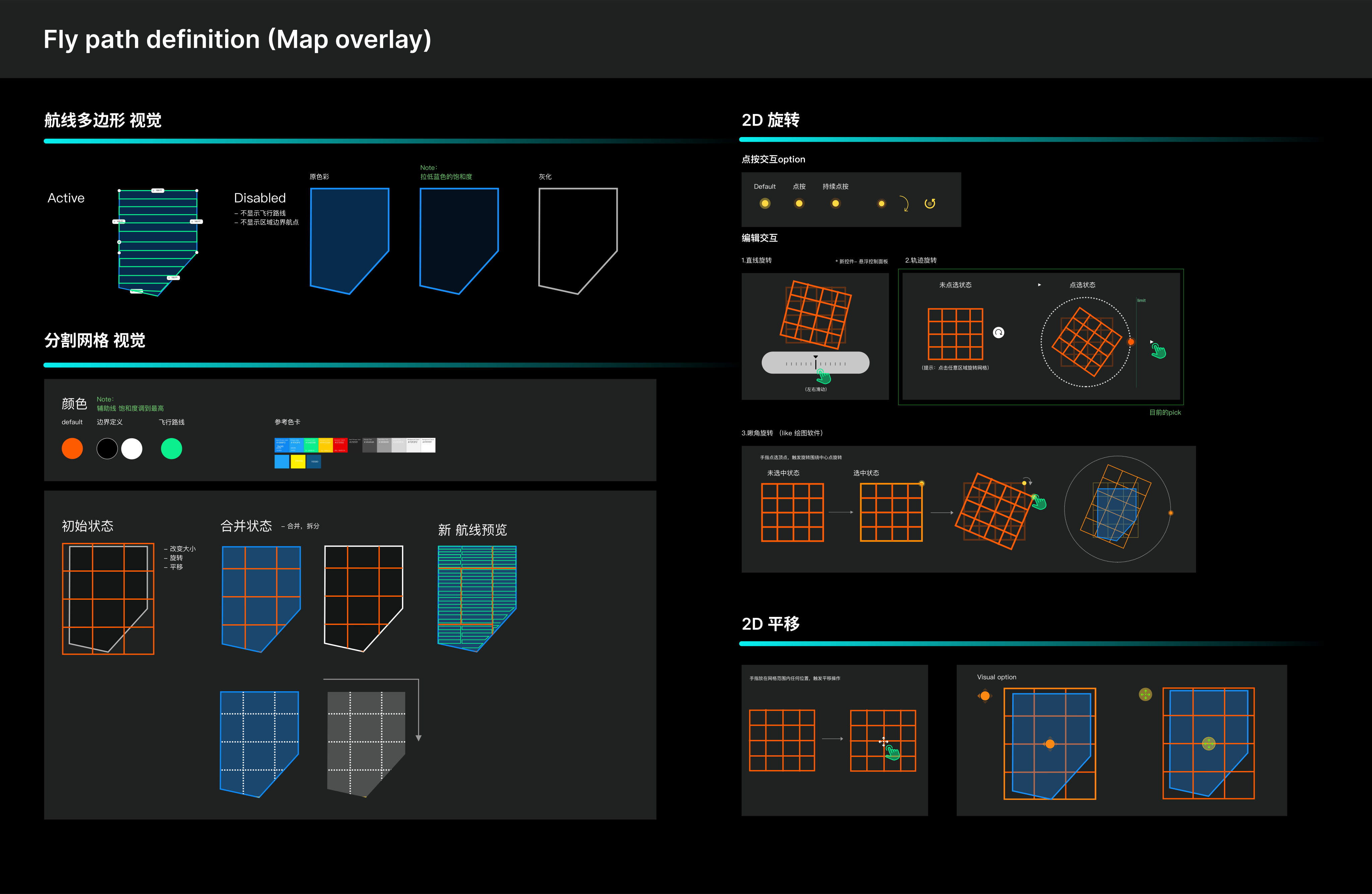
During the design of the area selection step, I refined micro-interactions and the color system to ensure clear visibility and usability across varied field backgrounds and lighting conditions.
Challenge 3 : Accessibility with different landscape & environment
During the design of the area selection step, I refined micro-interactions and the color system to maintain high contrast and visual clarity across varied field backgrounds and lighting conditions. By prioritizing accessibility principles—such as sufficient contrast and clear visual feedback—I reduced selection errors, improved task speed, and increased user confidence when defining complex mission areas in outdoor environments.

Design Library & Components
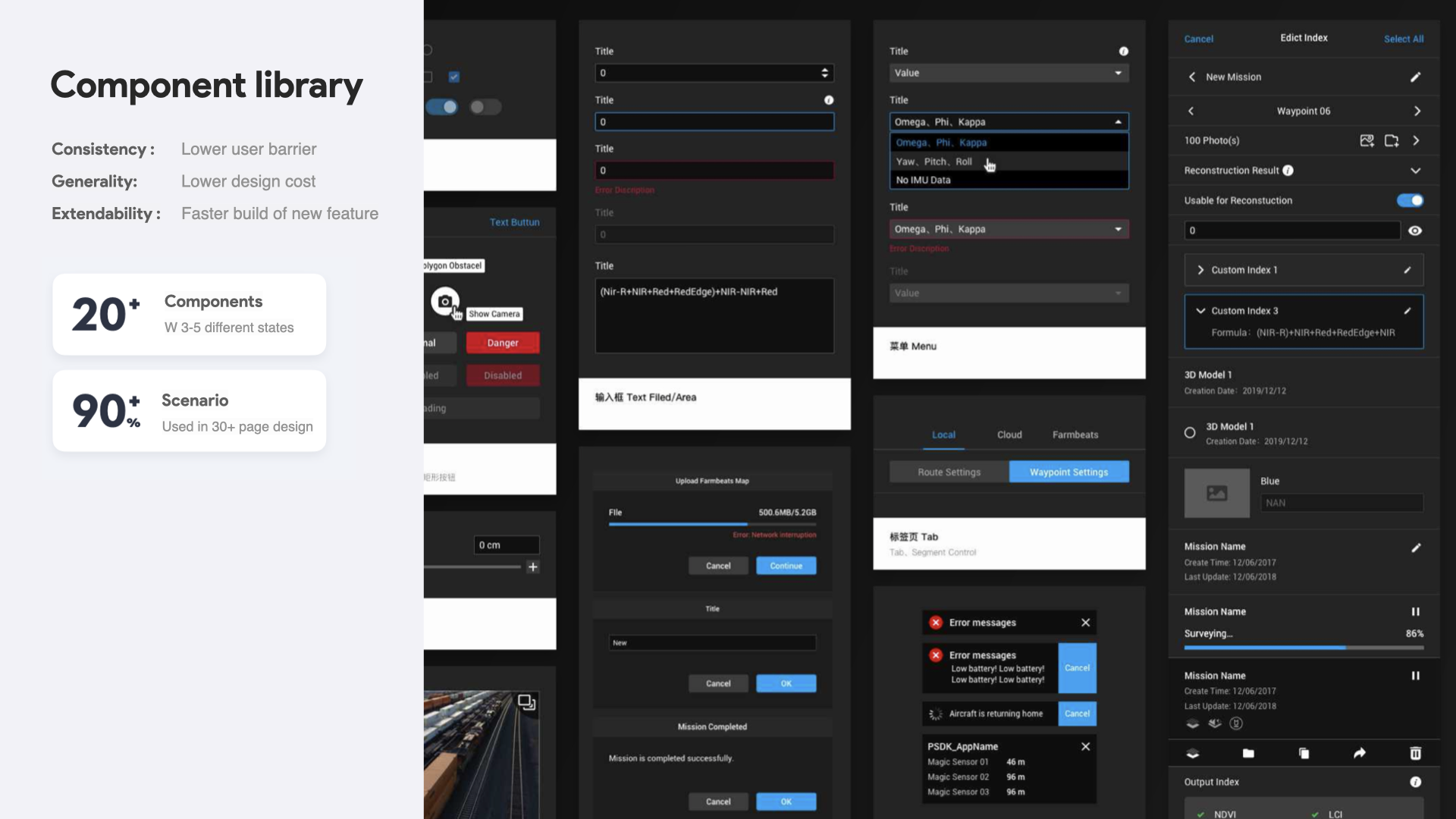
In parallel with feature design, I independently built and maintained the app’s design system, consolidating all existing UI components and aligning them with DJI’s parent design system. This created a shared visual and interaction language across the product.As a result, design-to-engineering handoff became faster and more consistent, component reuse increased across screens, and rework caused by visual or interaction inconsistencies was significantly reduced—enabling the team to iterate more efficiently as the product scaled.
Next Steps & Learning
During my time at DJI, I conducted in-depth user interviews to help the team build a strong, shared understanding of user needs and pain points. Due to project timeline constraints, I was not able to fully validate the new feature designs with users before my engagement concluded.
Looking ahead, the next step would be to validate these concepts through usability testing and real-world pilot usage. Additionally, closer alignment with the broader DJI ecosystem would be essential to adapt the features for a global, multi-cultural user base—ensuring consistency across products while respecting regional workflows and expectations.
This experience reinforced the importance of balancing speed with validation, and of designing enterprise tools that scale not only technically, but also culturally.

.svg)