OVERVIEW
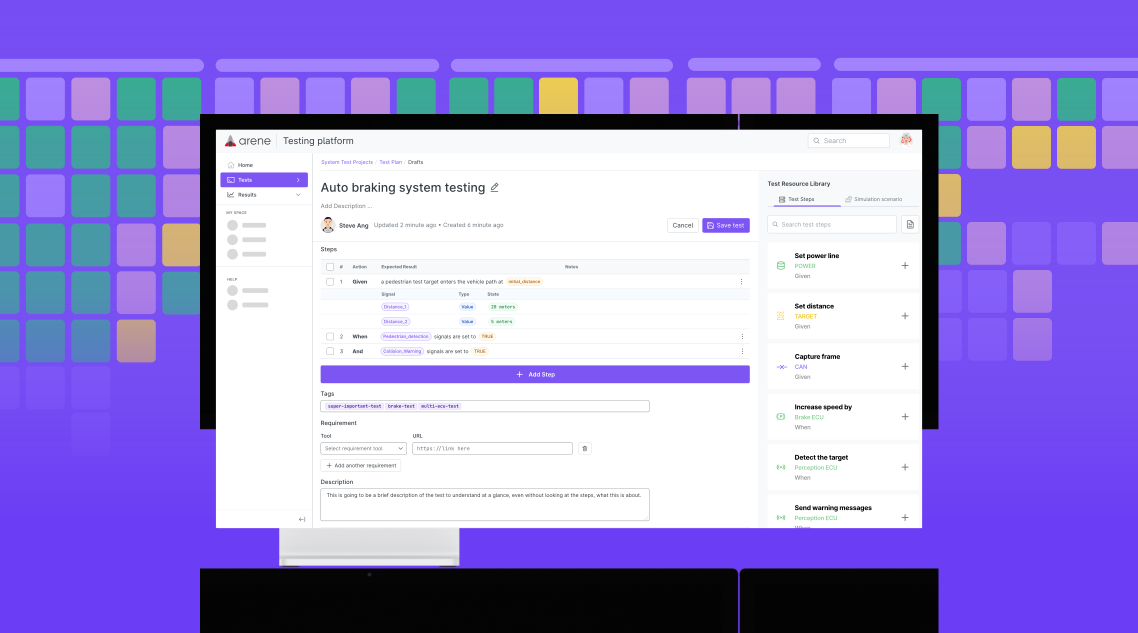
Testing vehicle software is often complex and time-consuming, as it must account for numerous vehicle variants, driving modes, and regional requirements. The process also requires extensive collaboration and review cycles across multiple teams. To improve both efficiency and accuracy, the Arene Testing Platform provides end-to-end support for test engineers—from test creation and execution to result evaluation, and ultimately enabling intelligent, assistant-driven testing over time.
THE TEAM
Solo designer, UX researcher, product owner, engineer teams, client team
MY ROLE
E2E design & research throughout 1st launch and concept design
TIMELINE
2023 Dec - 2024 Jun
Context - Testing in autonomous industry
Testing vehicle software is often complex and time-consuming, as it must account for numerous vehicle variants, driving modes, and regional requirements. The process also requires extensive collaboration and review cycles across multiple teams. As software-driven development began to reshape testing practices, traditional waterfall workflows evolved into automated, pipeline-based processes.
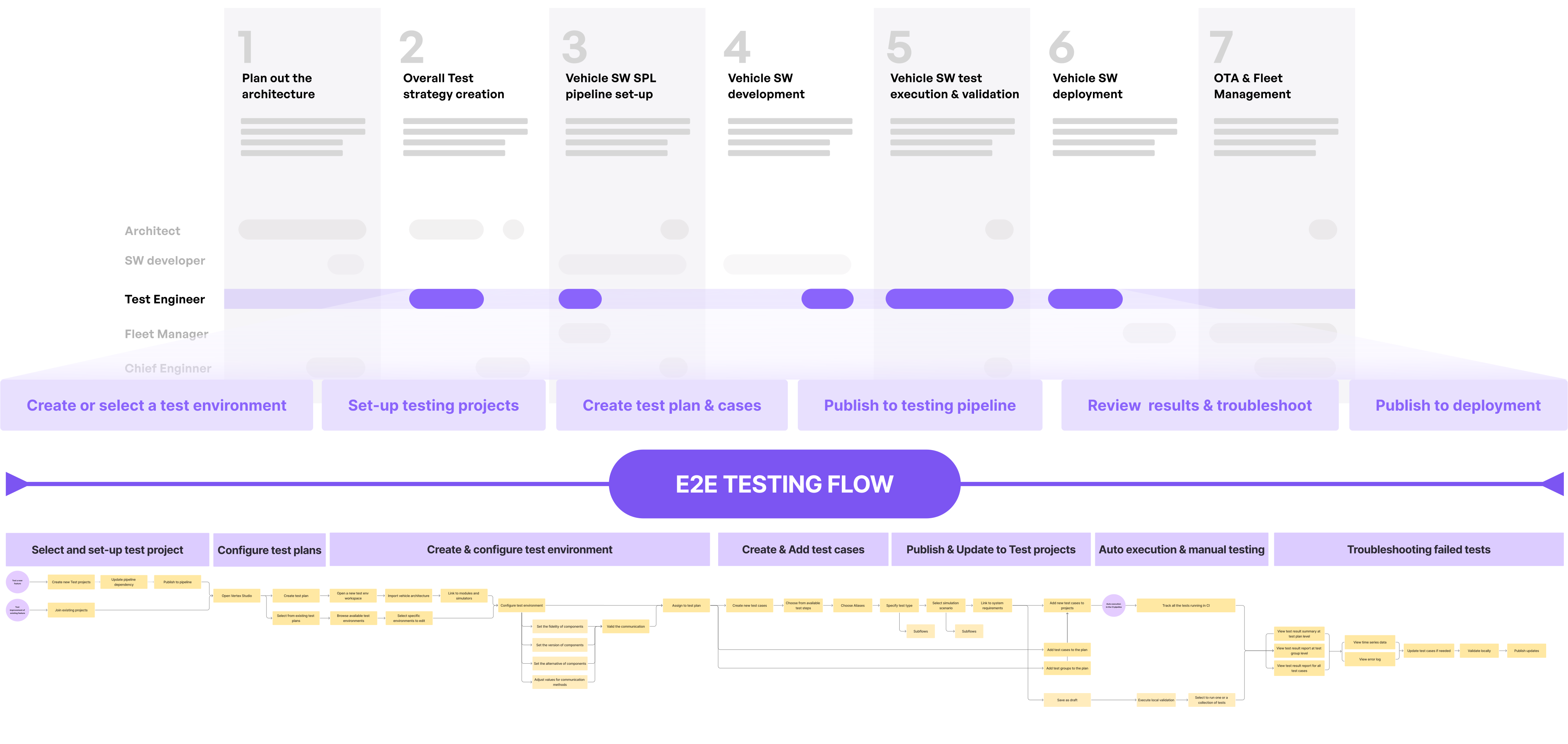
Who are the users - Re-discovery of the Archetypes
One of the most significant shifts we identified was that, as development processes became more software-focused, existing roles, responsibilities, and team structures no longer aligned with the new workflows. While studying current archetypes, we also identified gaps and overlaps that indicated the need for change.
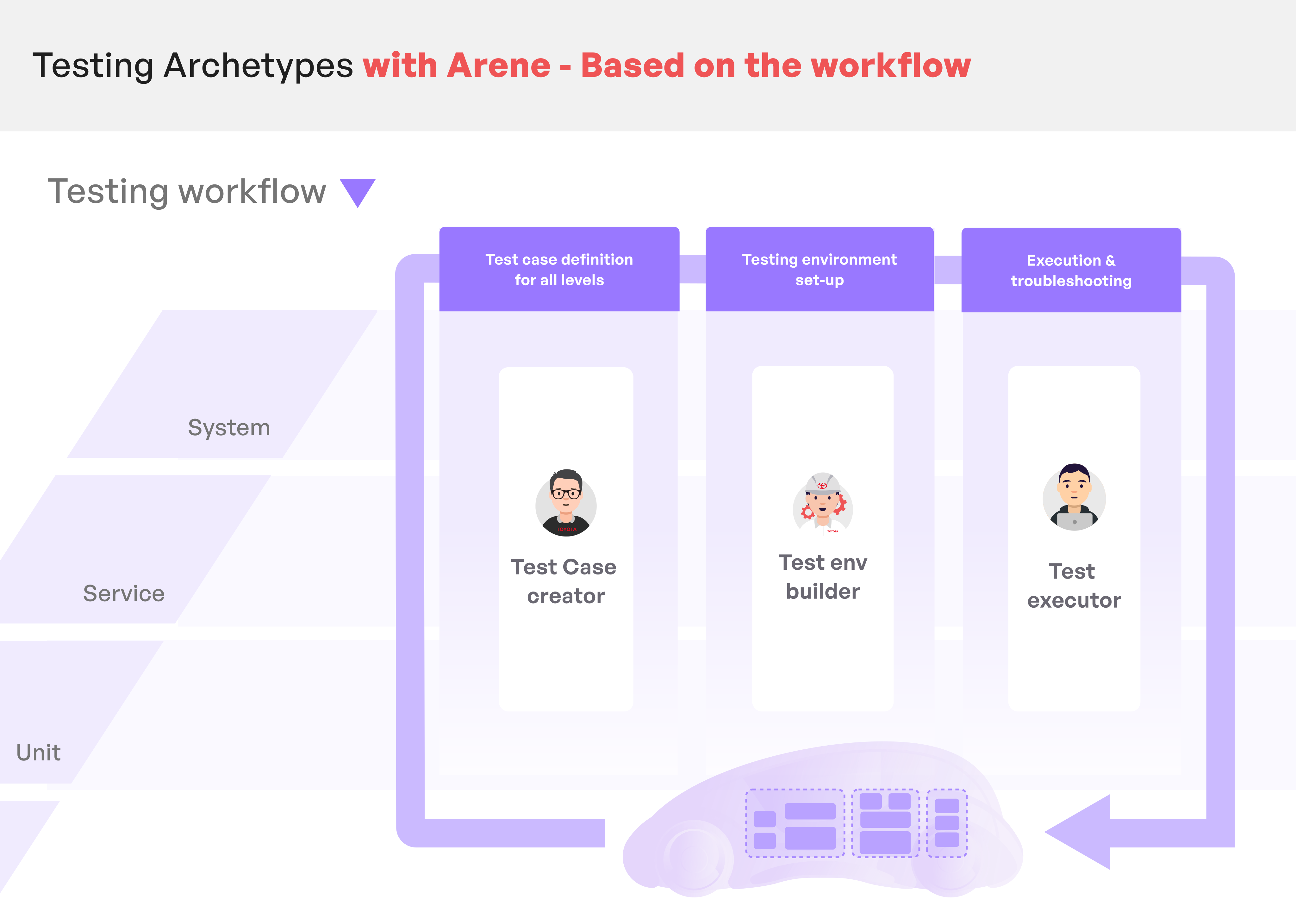
As a result, we not only documented existing archetypes but also proposed a new set of archetypes better suited to a software-driven development model.
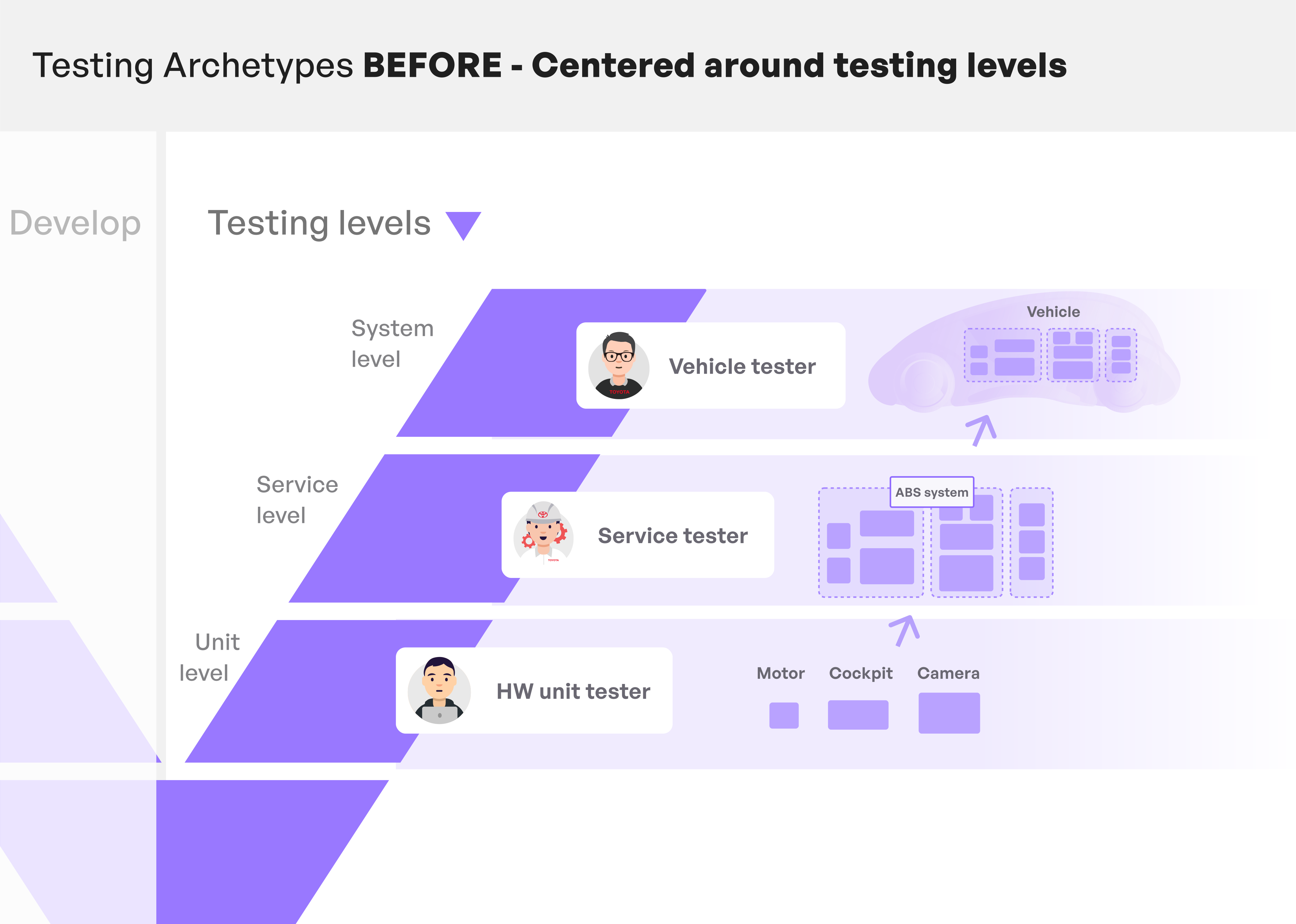
Archetypes & working jobs based on the traditional hierarchical modal in the vehicle industry.
New proposed Archetypes based on the journey and work process with Arene in use.